

Logistics and Supply Chain Management to Oman
Export, Import, and Free Zone Businesses in Muscat
Introduction
Oman’s strategic position on the Arabian Peninsula, coupled with its well-developed logistics infrastructure, makes it a critical hub for global trade. Muscat, as the capital and commercial center of Oman, plays a pivotal role in facilitating export and import activities, particularly through its free zones, which offer numerous incentives to businesses. This article delves into the logistics and supply chain management strategies that are essential for companies engaged in export, import, and free zone operations in Muscat.
Muscat’s Role in Global Trade
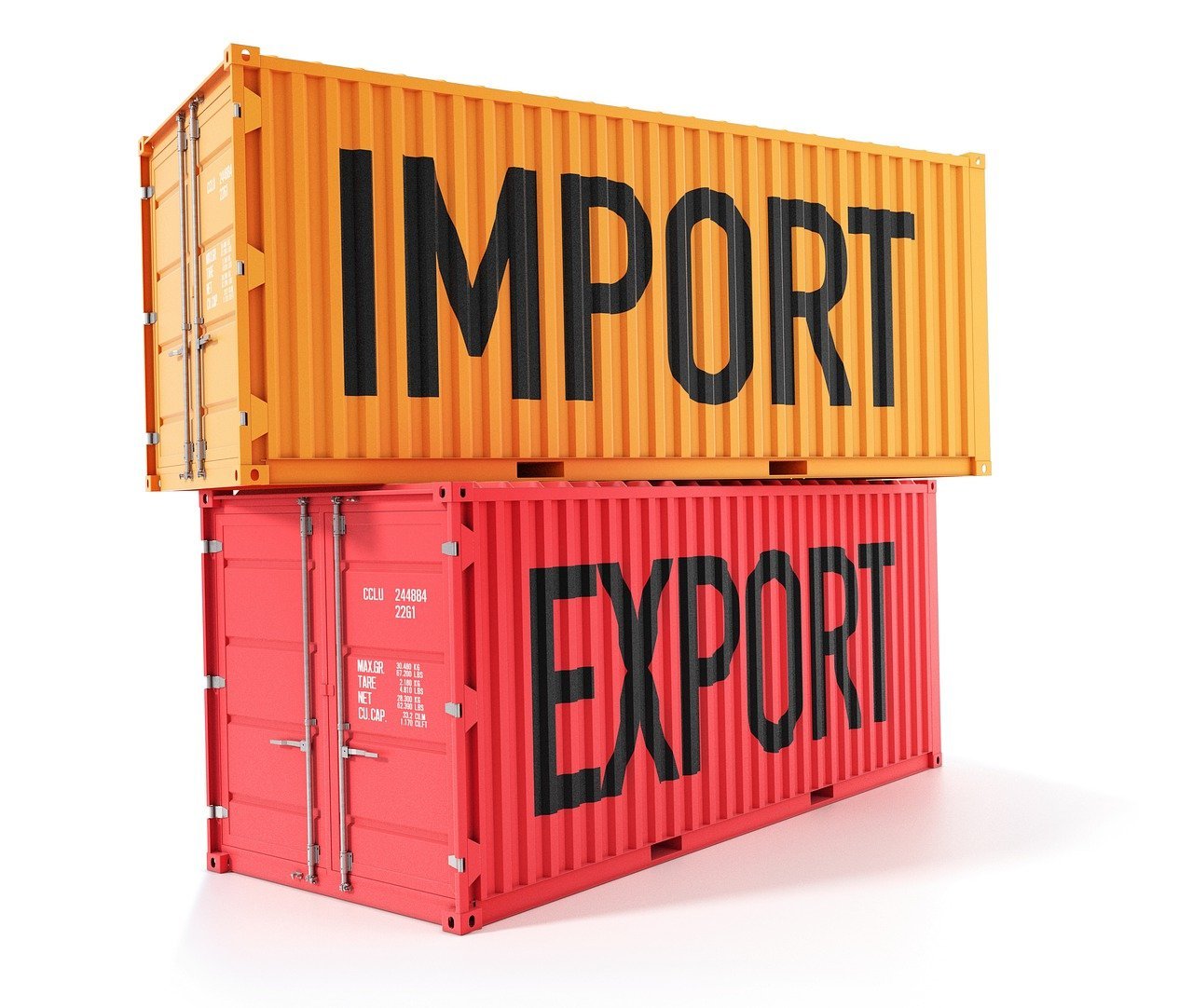
Muscat’s proximity to major international shipping routes and its state-of-the-art logistics infrastructure make it a key player in the global supply chain. The city serves as the primary gateway for goods entering and leaving Oman, supported by robust seaports, airports, and road networks that ensure efficient transportation of goods.
Export and Import Operations in Muscat
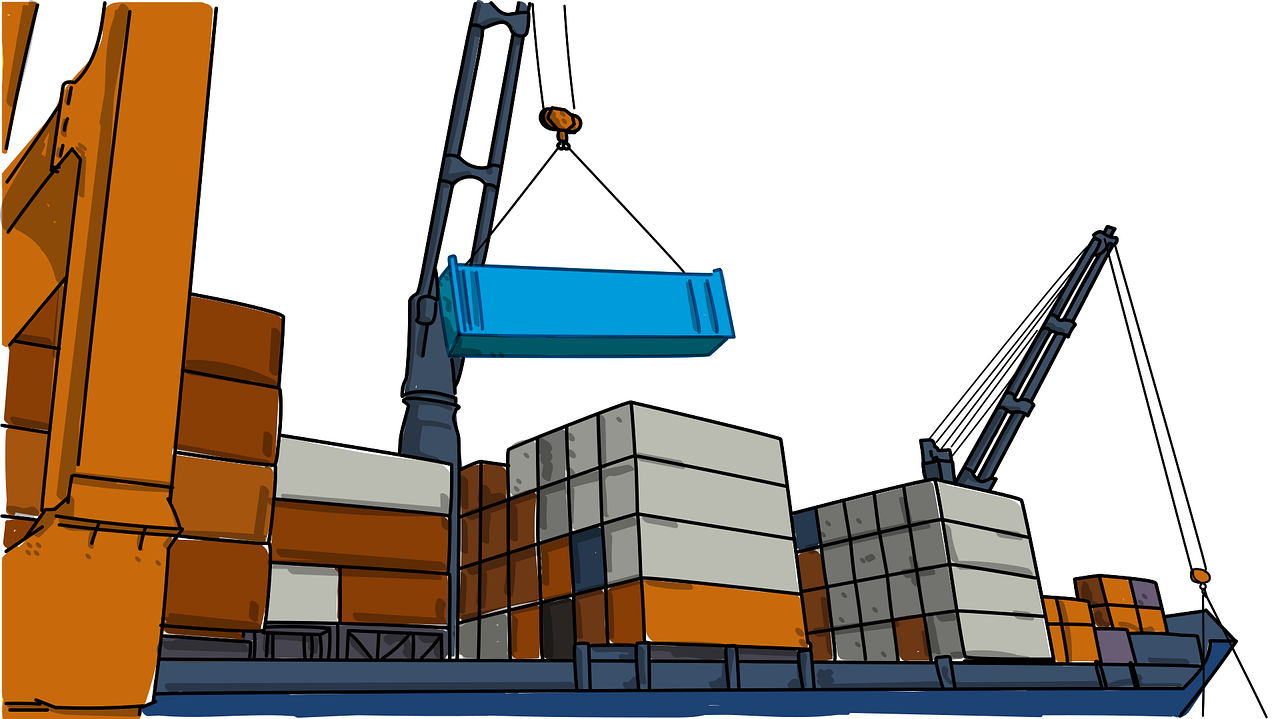
Oman’s economy is heavily reliant on trade, with exports and imports being vital to the country’s growth. Muscat’s logistics infrastructure is designed to facilitate these activities:
- Port Sultan Qaboos and Port of Duqm:
- Port Sultan Qaboos, once the main commercial port, is now focusing on cruise ships, while Port of Duqm has taken over much of the cargo traffic. The deep-water Port of Duqm is especially crucial for large-scale export and import operations, offering facilities that cater to a wide range of goods, from oil and gas to general cargo and containerized goods.
- Muscat International Airport:
- The airport is central to air freight operations, handling significant volumes of high-value and time-sensitive goods. It connects Muscat to major global markets, facilitating the swift movement of imports and exports.
- Road Transport:
- A well-maintained road network links Muscat to other parts of Oman and neighboring countries, enabling efficient inland transportation of goods. This network is crucial for the movement of goods from ports and airports to their final destinations within the country or across borders.
Free Zones: Catalysts for Trade
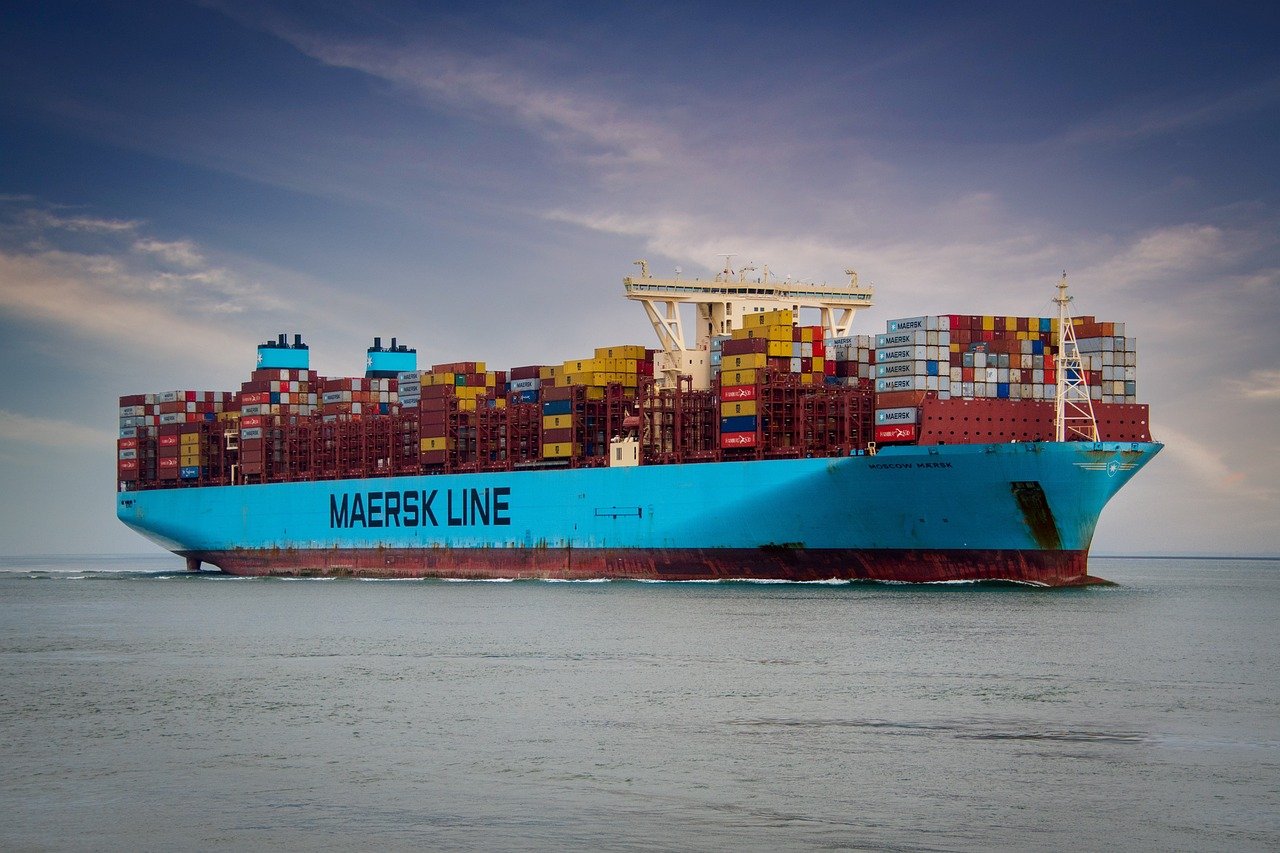
Oman’s free zones, particularly those in Sohar, Salalah, and Duqm, play an essential role in attracting international businesses to the region. These zones offer numerous benefits, making them attractive for companies involved in export and import activities:
- Tax Incentives and Exemptions:
- Businesses operating in Oman’s free zones enjoy various tax exemptions, including corporate tax holidays and exemptions from import and export duties. These incentives significantly reduce operational costs, making Oman a competitive destination for trade.
- Simplified Customs Procedures:
- Free zones offer streamlined customs processes, allowing for quicker clearance of goods. This efficiency is critical for companies that need to move goods rapidly through the supply chain, reducing lead times and improving overall logistics efficiency.
- Strategic Locations:
- The free zones are strategically located near major ports and airports, providing easy access to global markets. For instance, the Sohar Free Zone, located next to the Port of Sohar, offers direct access to shipping routes between Europe, Asia, and the Middle East.
- Comprehensive Infrastructure:
- These zones are equipped with state-of-the-art infrastructure, including warehousing, logistics facilities, and dedicated transport networks, ensuring that businesses have the resources they need to operate efficiently.
Challenges and Opportunities in Free Zone Logistics
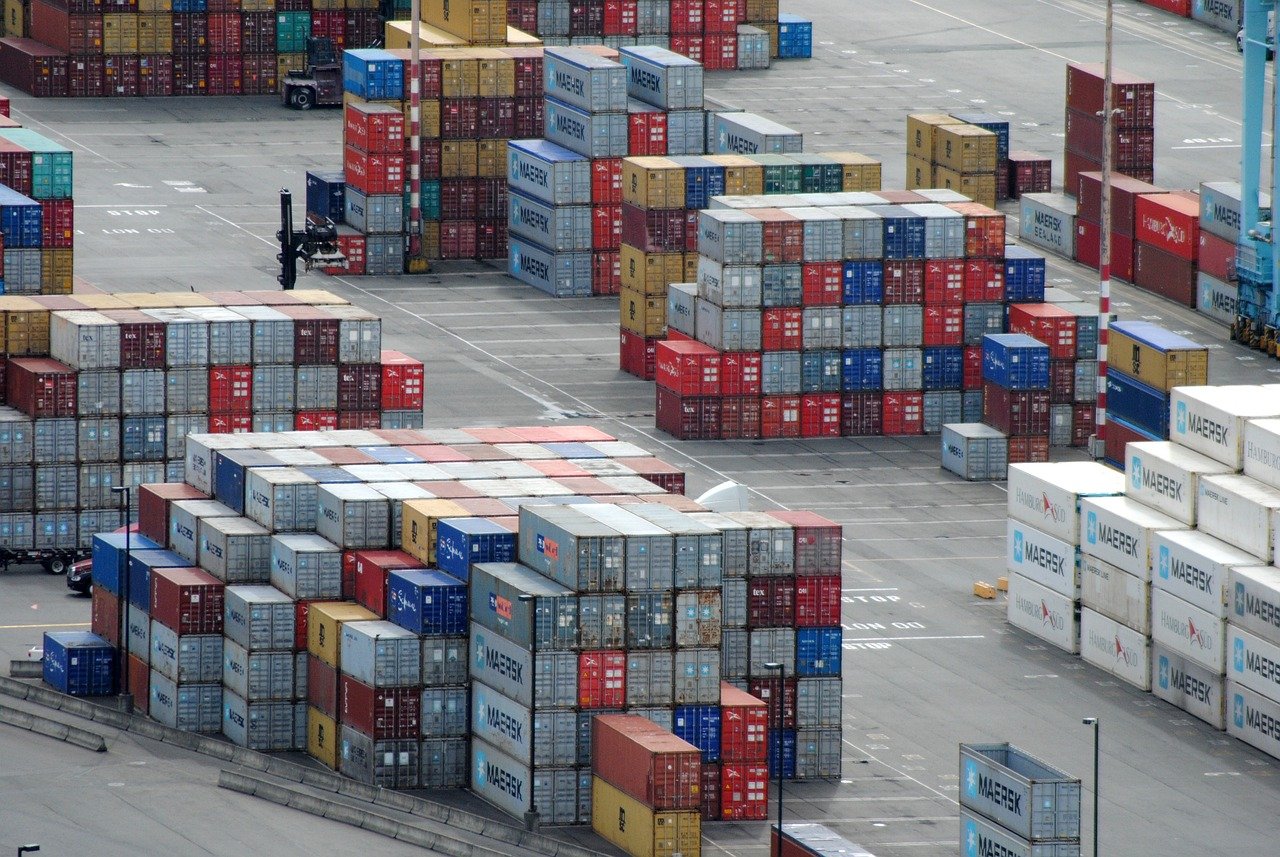
While the free zones offer numerous benefits, they also present unique challenges:
- Regulatory Compliance:
- Navigating the regulatory landscape in Oman, including compliance with customs regulations and adhering to free zone policies, can be complex. Businesses need to ensure they are fully compliant to avoid delays and penalties.
- Logistics Costs:
- Although free zones offer cost advantages, logistics costs, particularly for transporting goods over long distances within Oman, can be high. Companies need to optimize their supply chains to minimize these expenses.
- Opportunities for Innovation:
- The logistics sector in Muscat and its free zones is ripe for innovation. Companies can leverage advanced technologies, such as AI, IoT, and blockchain, to improve transparency, efficiency, and security in their supply chains.
- Sustainability:
- There is a growing emphasis on sustainability in logistics. Businesses in the free zones can adopt green practices, such as reducing emissions through optimized transportation routes and investing in energy-efficient infrastructure.
Conclusion
Muscat’s logistics and supply chain management systems are integral to the success of export, import, and free zone businesses in Oman. With its strategic location, advanced infrastructure, and favorable business environment, Muscat offers a competitive edge to companies looking to expand their global trade operations. However, to fully capitalize on these opportunities, businesses must navigate the challenges of regulatory compliance, cost management, and technological adoption. By doing so, they can ensure that their operations in Muscat’s free zones contribute to sustainable and profitable growth in the global market.


پیوستن به گفتگو